Below is a talk I gave at the Organization of American Historians conference (San Francisco, CA) on April 12, 2013. My talk was part of a panel discussion organized by Creek historian Donald Fixico on Native historians and the field of Native American history. At the time, I was an assistant professor of American Indian studies and history at the University of Illinois at Urbana-Champaign. It was an honor for me, especially so early in my career, to be invited to deliver a paper for this panel by such an esteemed Native historian.
********************************************
Native Historians and the Future of American Indian History
by Matthew Sakiestewa Gilbert
It’s an honor to be here today.
I want to thank my fellow panelists, Rose Stremlau and Paul Rosier, our Chair Sherry Smith, and a special thanks to Don Fixico, who invited us to participate in this morning’s panel.
As many of you would agree, it’s an exciting time to work on American Indian history.
I think back to much of the 20th century when Native history was predominantly written by white, male scholars.
Some here might say that not much has changed.
Perhaps this is true, and it likely is, but there are shifts in our field that encourage me as an indigenous person, and that are worth discussing in today’s forum.
This morning, I want to focus my comments, albeit very brief comments, on the work and role of Native historians.
I’m encouraged by the number of Native historians who recently completed their Ph. D.s, secured faculty appointments, and are actively publishing their work. I’m thinking here of Oneida historian Doug Kiel, Cherokee and Choctaw historian Kent Blansett, and Apache and Dakota historian Kiara Vigil.
These, and many other Native historians, are on my “radar.” And they should be on all of our “radars” as we think about the future of American Indian history.
Some of these historians, such as Doug Kiel, have chosen to write about their own people, and some have attempted to explain their people’s histories by using indigenous frameworks and Native ways of understanding.
This, of course, reminds me of Seminole historian Susan Miller, who in her edited book Native Historians Write Back, keenly observed that Indigenous thinkers often prefer to “work within” their “own people’s specific worldview.”
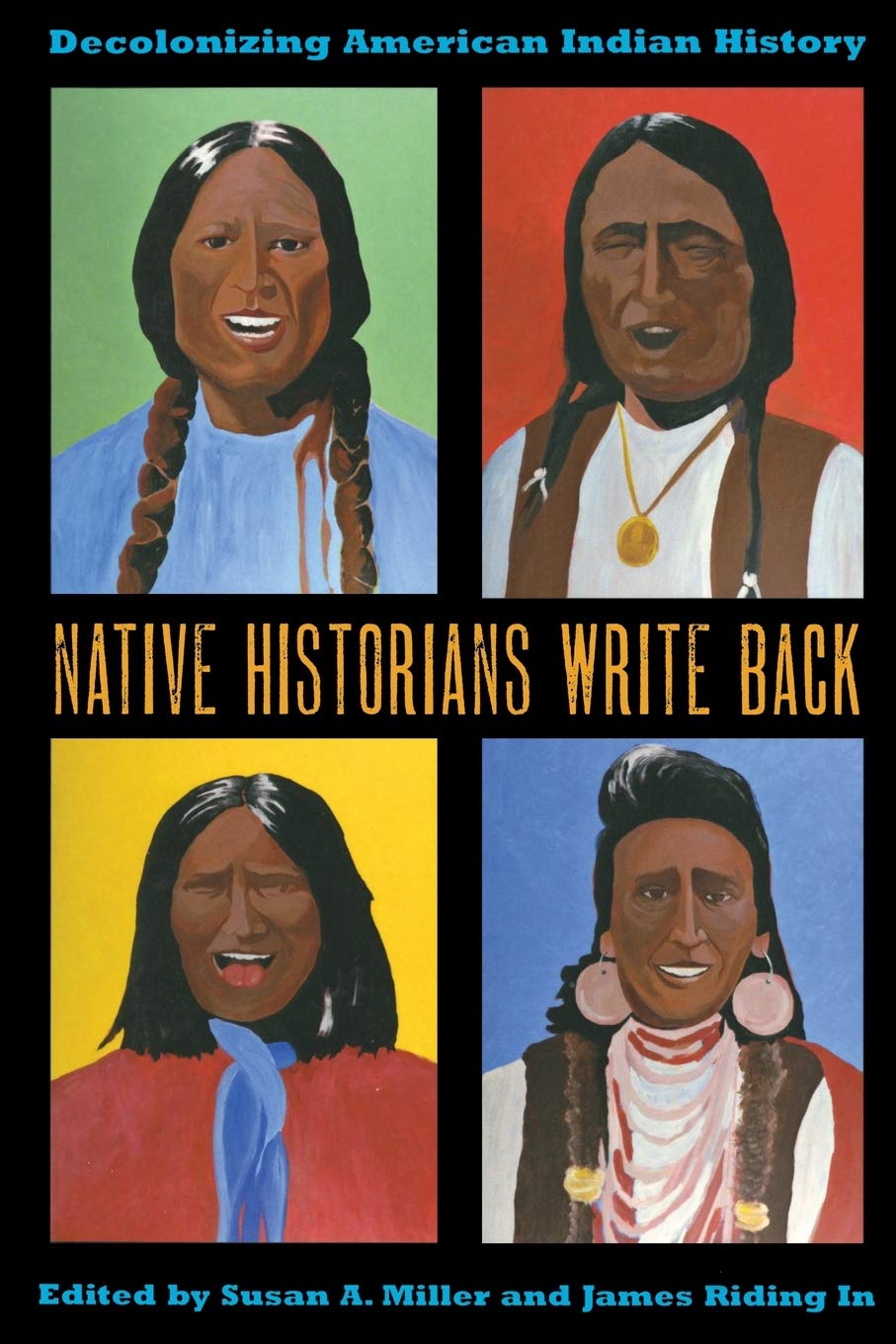
Native historians understand this. We get it, but our use of indigenous frameworks (or epistemologies) in our work do not always clearly or convincingly translate with non-Native historians.
I experienced this most recently when I submitted an essay on Hopi runner Louis Tewanima to the Western Historical Quarterly.
I was surprised that one of the reviewers had noted that my essay lacked a theoretical frame or argument.
In my essay, I argued (in part) that when Tewanima competed and excelled in American and Olympic marathons, he followed in the tradition of ancient Hopi clan runners who once ran far beyond Hopi ancestral lands to bring blessings to the Hopi people.
I situated Hopi culture at the center of the narrative, and I used a Hopi frame to explain his participation and success in national and international running events.
I did not want to write just another article on running – or even Native running. Nor did I want to provide readers with another romantic portrayal of Tewanima.
Either my reviewer did not see the Hopi frame that I was employing, or he or she refused to accept it.
As Native historians, we need to continue asserting and introducing indigenous frameworks of understanding in so-called mainstream academic history journals.
We know that this approach to Native history will be welcomed in American Indian Studies journals, but we have a broader (history) audience to reach with our work.
And this audience needs to be reminded that there are ways of thinking of Native history that go beyond the theories and models so commonly used and accepted by Western historians.
Finally, some of us need to do a better job consulting the scholarship of Native historians and other thinkers when we research and publish on their indigenous communities.
When we write about the Choctaw or Kiowa, we ought to honor their people by citing and listening to their scholars and other writers. Of course, I’m thinking here of Choctaw historian Jacki Thompson Rand, Choctaw writer LeAnne Howe, and Kiowa historian Jenny Tone-Pah-Hote.
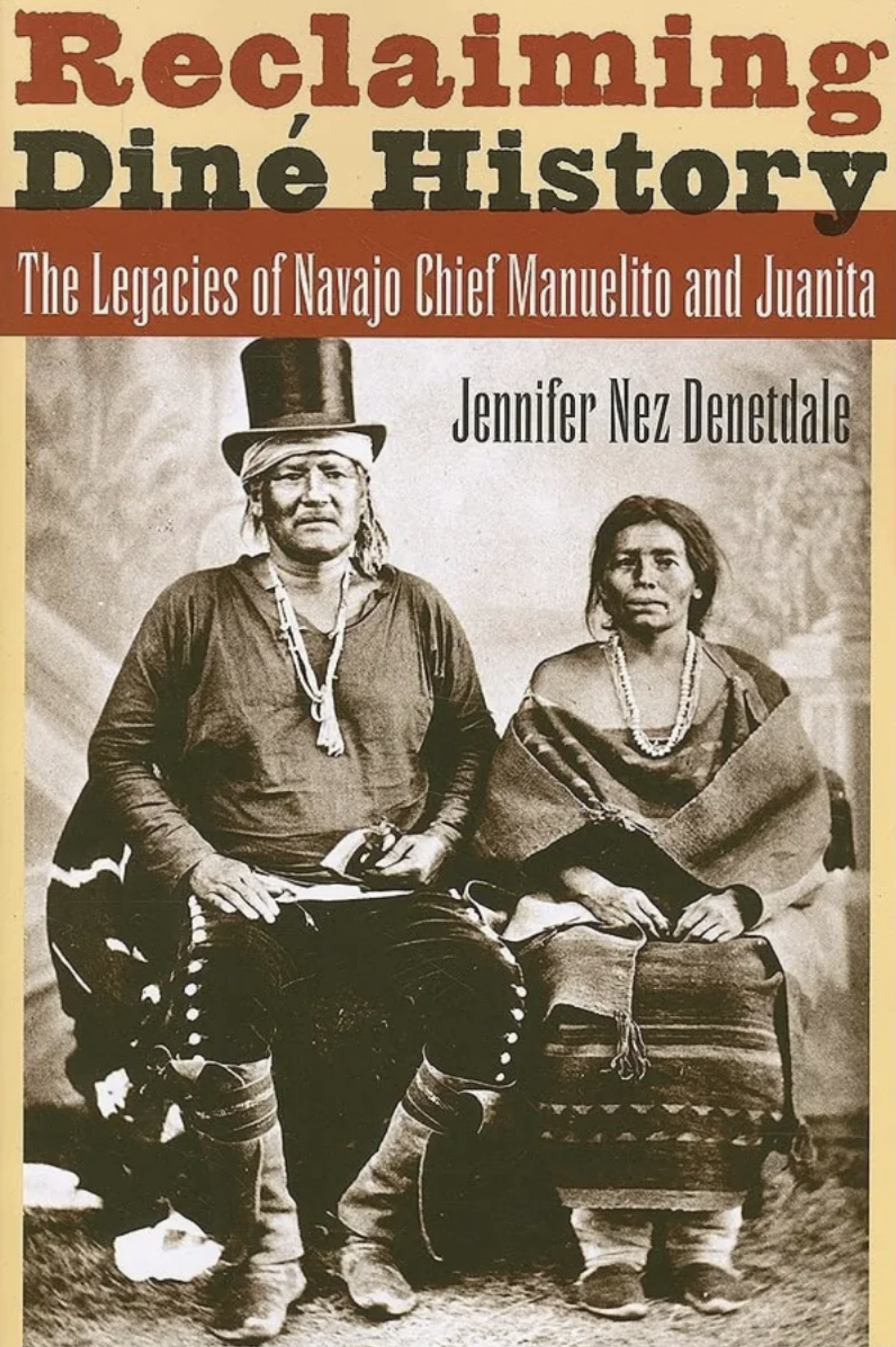
And when we write about the Dine’, we ought to ask ourselves how the work of Dine’ historians Jennifer Nez Denetdale, Lloyd Lee, and many others might enlighten our understanding of their people.
Some here might say that I am simply stating the obvious.
I wish this were the case, but having peer-reviewed numerous essays for journals and other academic publications in my relatively short academic year, I know that this remains a problem in our field.
Indigenous communities did not send us to academic institutions to receive Ph. D.s in history to simply increase the number of Native faculty at universities and colleges.
They did not send us to academic institutions to simply add a bit of color to a once predominantly white narrative.
We have a message to tell about our history and cultures. And we have a responsibility to tell these histories in ways that are meaningful and useful to our people.
When we write about our people, our voices matter. They have always mattered.
I know that I spent my time talking about Native historians, but there are also young non-Native scholars such as Kate Williams and Kevin Whalen who are making noteworthy contributions. We should be appreciative when our Non-Native colleagues do it right and honor Indian people with their work.
In conclusion, I want to emphasize again that this is an exciting time to research and write on the history of American Indian people. We have a bright future ahead of us, and I look forward to seeing how the field will evolve and improve as Indian people take greater ownership of their past and write histories that originate from their communities and perspectives.
Kwa-kwa
 BEYOND THE MESAS, LLC